

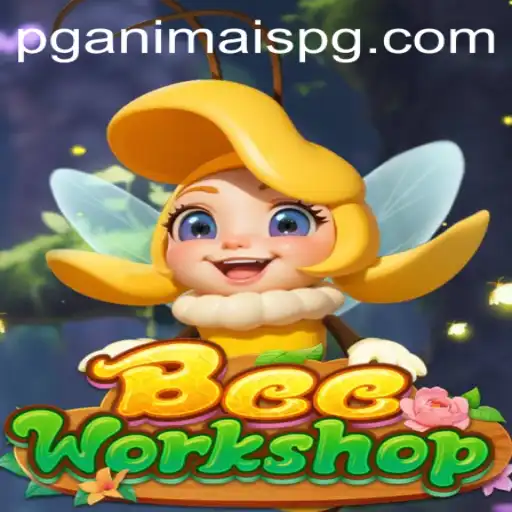

Explore BeeWorkshop, a captivating game that combines strategy and creativity with a focus on bees and nature. Learn about its unique rules and how it connects to current environmental events.
BeeWorkshop: A Thrilling Adventure into the World of Bees
Introduction to BeeWorkshop
In the vibrant realm of gaming, BeeWorkshop emerges as a captivating journey into the intricate world of bees. This unique game brings players closer to nature, emphasizing strategic thinking, creativity, and environmental awareness. Set against the backdrop of nature's most industrious pollinators, BeeWorkshop is designed for those who appreciate the beauty of ecosystems and the vital role bees play within them.
Amidst mounting global concerns about environmental sustainability, BeeWorkshop arrives at a crucial time. It sheds light on the challenges faced by bees and other pollinators, offering players an engaging platform to understand and appreciate their significance. The buzz around BeeWorkshop has made it a popular choice not only for gamers but also for educators and nature enthusiasts.
How BeeWorkshop Works
At the core of BeeWorkshop is the objective to create and sustain a thriving bee colony. Players take on the role of a beekeeper, tasked with managing resources, protecting the hive, and ensuring a balanced ecosystem. The game is designed to challenge players of all ages, making it both an educational tool and an immersive entertainment experience.
The gameplay revolves around several key components: hive management, resource allocation, and environmental challenges. Each decision impacts the well-being of the bee colony, requiring players to think strategically and plan for long-term sustainability. As players advance, they encounter various scenarios that mimic real-world ecological challenges.
Key Features of BeeWorkshop
- Realistic Hive Dynamics: BeeWorkshop simulates real hive conditions, including the behavior of different bee roles like workers, drones, and the queen. Players must understand and balance these roles to ensure hive prosperity.
- Resource Management: Players manage resources such as nectar, pollen, and water. Effective resource management is crucial to increase hive productivity and expand the bee colony.
- Environmental Adaptation: The game integrates real-world environmental events, such as climate changes and habitat destruction, challenging players to adapt and protect their colony.
- Educational Insights: Throughout the game, players receive insights about bee biology, ecology, and the impact of human activities on pollinators. This educative approach helps raise awareness about the current environmental crises facing bees.
Understanding BeeWorkshop's Game Rules
BeeWorkshop's gameplay is structured around a set of rules designed to facilitate learning and engagement. The rules encourage players to think critically about natural ecosystems and the importance of biodiversity.
Rulebook Highlights
- Objective: The primary goal is to build and sustain a successful bee colony by managing resources and adapting to changes in the environment.
- Resource Allocation: Players must allocate resources to different hive tasks, such as foraging, colony expansion, and defense. Efficient resource utilization is key to thriving in the game.
- Carbon Footprint: A unique feature of BeeWorkshop involves tracking the player's carbon footprint within the game. Actions that negatively impact the environment will reduce hive efficiency, highlighting the impact of sustainability.
- Climatic Events: Players must navigate through weather events and climate changes that affect bee behavior and productivity. This element of the game mirrors current global climate challenges.
- Pollinator Allies: To aid players in hive expansion, the game introduces pollinator allies such as butterflies and beetles, which help fertilize plants and boost resources.
BeeWorkshop in the Context of Current Events
Recent years have seen a surge in environmental activism focusing on the preservation of pollinators. BeeWorkshop taps into this global dialogue by providing a platform where players can explore these issues firsthand. As reports from organizations like the Intergovernmental Science-Policy Platform on Biodiversity and Ecosystem Services (IPBES) highlight the alarming decline in pollinator populations, games like BeeWorkshop become valuable educational tools.
BeeWorkshop also aligns with initiatives promoting biodiversity and sustainability. By immersing players in scenarios that reflect ongoing environmental challenges, the game enhances public understanding of these issues, inspiring a greater commitment to real-world action. It acts as a bridge between gaming and environmental education, fostering a deep-rooted appreciation for nature's interconnected networks.
Conclusion
BeeWorkshop stands out as more than just a game. It is a call to awareness and action, inviting players to engage with vital ecological themes through a dynamic and interactive format. By embracing the challenges and triumphs of bee colonies, players are not only entertained but also educated about the crucial role these tiny creatures play in our world. Whether you're a passionate gamer, an educator, or an environmentally conscious individual, BeeWorkshop offers a unique and enriching experience.